
Building a Resilient Bay Area
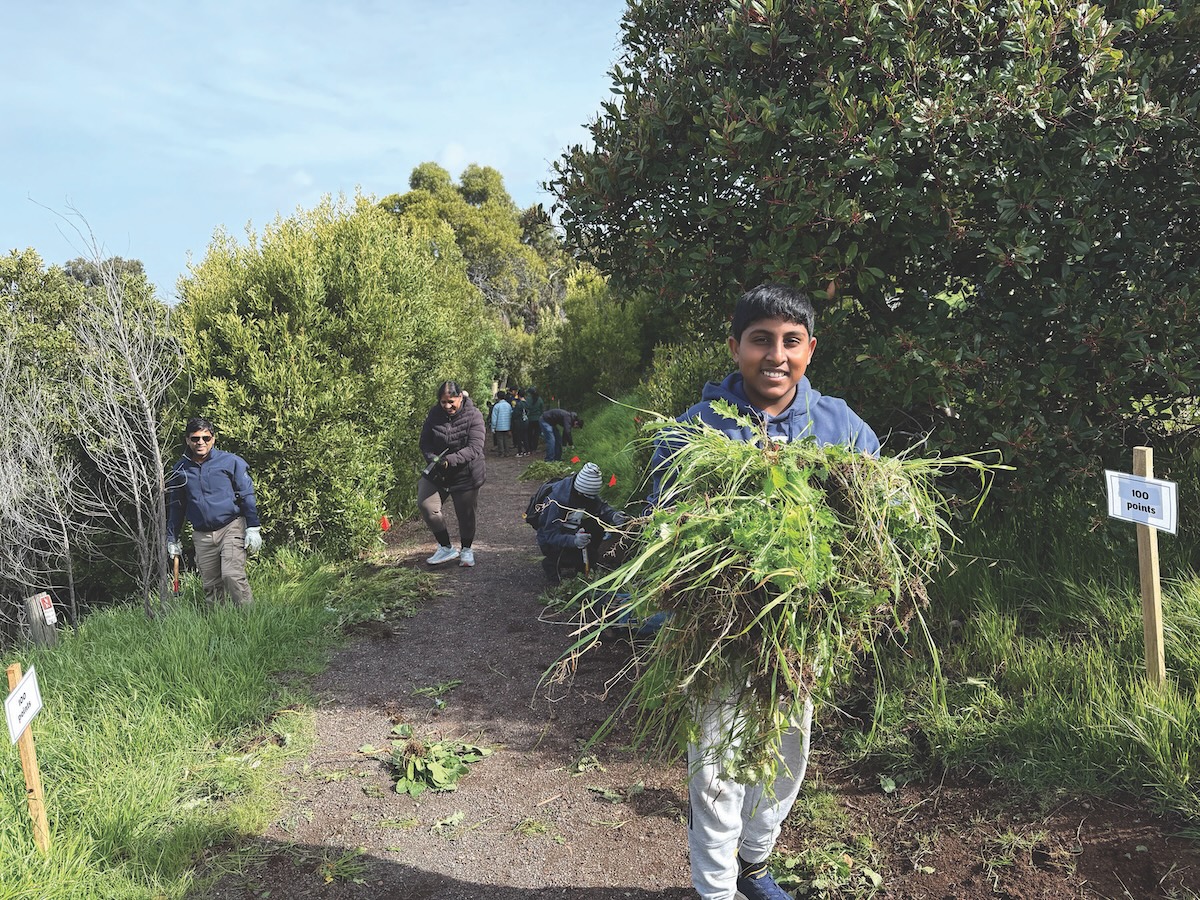
Imagine a Bay Area where neighborhoods are safer from wildfire and flooding, families can afford to live near jobs and transit, and the natural landscapes that define the region continue to protect communities from climate change. For Greenbelt Alliance, achieving that future depends on rethinking how the Bay Area grows.
Founded in the late 1950s, when rapid suburban development threatened the region’s open spaces, Greenbelt Alliance recognized that decisions about where and how communities grow shape the future for both people and nature. Rather than buying land or building housing, the organization uses land-use policy to protect open space and guide growth across the entire Bay Area. The results are substantial. Nearly 3.3 million acres across the region are now protected open space.
What makes Greenbelt Alliance unique is its belief that protecting open space and creating more affordable housing are not competing priorities; they are deeply connected. “We’re always trying to convince other environmental organizations that they should care about housing as much as we do,” Executive Director Amanda Brown-Stevens says. Building homes in existing communities, near jobs, transit, and services, reduces greenhouse gas emissions and relieves development pressure on the natural lands that protect the Bay Area from climate impacts.
That vision is shaping policy today. Last year, Greenbelt Alliance co-sponsored Senate Bill 79, a new state law that makes it easier to build homes near transit and jobs. The bill reflects the organization’s longstanding belief that smart growth is essential to both housing affordability and climate resilience. By directing new development toward existing communities rather than open space and agricultural lands, Greenbelt Alliance is helping create a Bay Area where people and nature can thrive.
Reducing Climate Risk for the Most Vulnerable
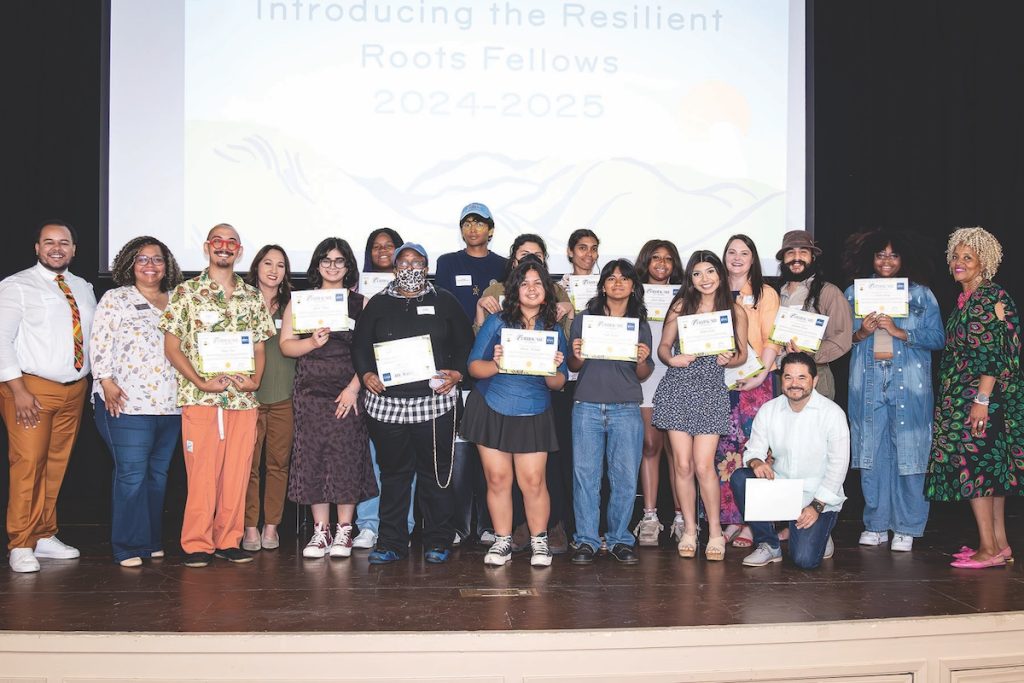
As climate change accelerates, the communities facing the greatest risks are often those with the fewest resources to prepare. Greenbelt Alliance’s Bay Area Resilience Hotspots project uses original research to identify communities most vulnerable to wildfire, flooding, and extreme heat – and least equipped to respond, including many lower-income communities and communities of color.
In southwest Santa Rosa, where residents experience some of the region’s highest rates of heat-related emergency room visits, Greenbelt Alliance is helping community members develop an extreme heat resilience plan. “We don’t just end at the research,” says Deputy Director Sarah Cardona. “The places the data flags as most at risk become opportunities to develop action plans that prepare communities for the future.”
That same commitment to community leadership drives the Resilient Roots Climate Leaders Network, which equips residents in climate-vulnerable communities with the knowledge, relationships, and advocacy skills to shape resilience planning where they live. Through a 10-month fellowship, participants explore climate science, environmental justice, land use, and community organizing through workshops and hands-on projects. They leave with the tools and connections to advance climate solutions.
Greenbelt Alliance
Donate now!greenbelt.org
Director of Donor Engagement: Nora Cullinen
(415) 543-6771 Ext. 302
Mission
Our mission is to educate, advocate, and collaborate to ensure the Bay Area’s lands and communities are resilient to a changing climate.
Begin to Build a Relationship
We know you care about where your money goes and how it is used. Connect with this organization’s leadership in order to begin to build this important relationship. Your email will be sent directly to this organization’s Director of Development and/or Executive Director.
Born and raised in the Bay Area, I have benefited so much from Greenbelt Alliance’s steadfast commitment to the health and beauty of our region. Greenbelt Alliance understands the nexus between building vibrant, equitable communities and preserving open space.
Growing the Bay Area’s Climate Leaders
Philanthropic support makes this work possible. Donors provide the flexible funding to conduct groundbreaking research, advocate for smarter land-use policies, and equip communities with the tools they need to prepare for climate change.
A gift of $75,000 launches a new Resilient Roots Climate Leaders Network cohort, preparing local leaders to build a safer, healthier, and more resilient Bay Area for generations to come.
Key Supporters
Marin
Community Foundation
Wildlife
Conservation Network
Matt and Janice Barger
Steve Silberstein
Laney and Pasha Thornton
Gerbode Foundation
The San Francisco
Foundation
Arntz Family Foundation
Stefan and Kathryn Bewley
Dana and Robert Emery
East Bay
Community Foundation
Elliot Evers
Jon Kannegaard and
Patricia Sandoval
Michelle Yesney and
Richard Gertman
Terry Gamble Boyer and
Peter Boyer
Eliza Brown and
Hal Candee
Tim and Gaynor Brown
Daniele De Iuliis and
Janine Wiedmer
Dagmar Dolby
Urs Hoelzle and
Geeske Joel
John Osterweis
Thomas and
JaMel Perkins
Laurel Prevetti
Ralph Warner